Absence of Colour in Dartmoor's Pollen Record
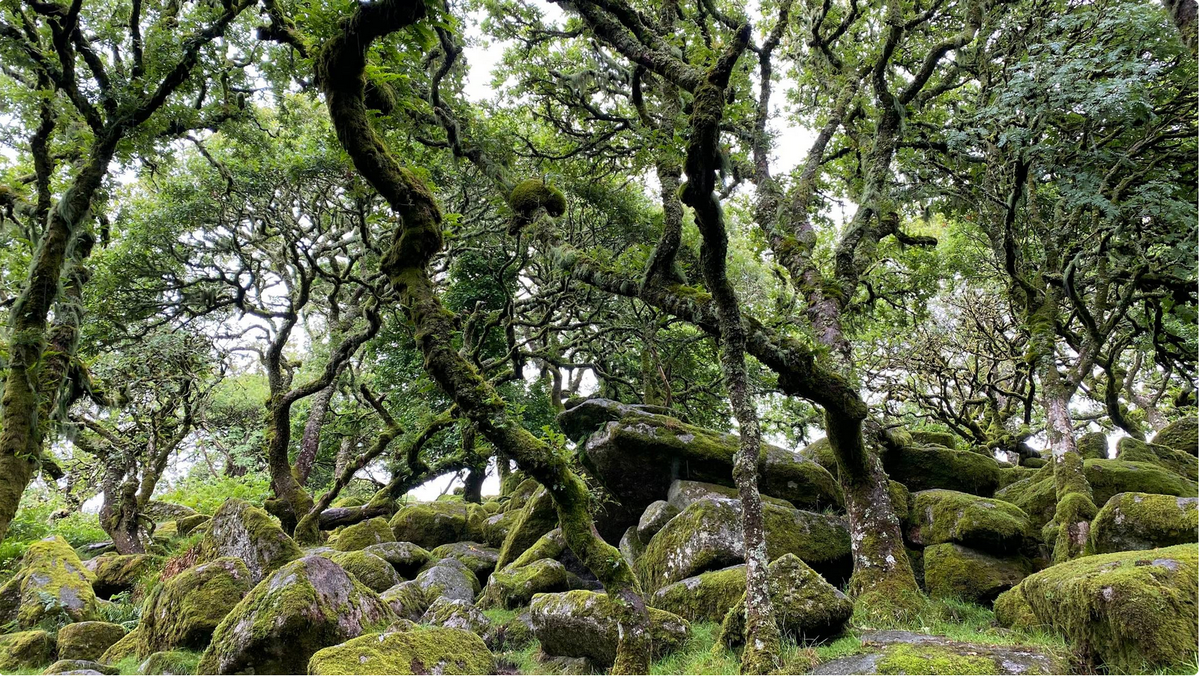
Compared to cities and countryside hedgerows, it's actually quite difficult to forage for colour on the high moor of Dartmoor.
The earliest tree colonisers of Dartmoor after the glaciers were dwarf willow and birch. Dartmoor has seen the comings and goings of trees for thousands of years. Most have disappeared completely from the uplands. Replaced by boggy, acidic soils, and a sea of Molinia grass.
Birch
Birch was one of the first trees to arrive. Gradually, it was out-competed by hazel and it disappears from the pollen record. The bark from birch trees is known to make a soft pink.
Alder
The pollen record shows alder was once inhabited valley floors — cleared, most likely, by tin miners some 800 years ago. The catkins are rich in tannins and produce a deep brown ink, that blackens with iron.
Pine
Pine trees may have been present as its pollen was present in the record; however, the more contemporary interpretation is that the pollen simply arrived in the uplands of Dartmoor on the wind. Pine and spruce wood differ in colour: spruce is whiter, pine redder. The ink from pine is likely similar to that of spruce: russet browns that blacken with iron; however, its more interesting use of pine is from its resinous soot. A carbon black ink traditionally used by the Chinese.
There are other colours that we're missing, too, I'm sure.