Latest — 13 Mar 2026 Introducing The Manual of Wild Biochromes An online repository of information about ink, paints, and pigments derived from plants.
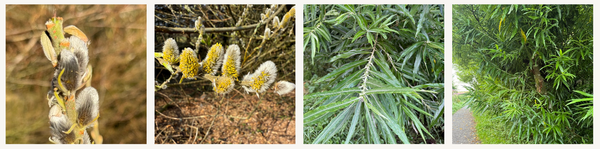
Willow (Salix) Identification Alternating leaves, which are usually long and slender. Buds are often fuzzy. Catkins look like enlarged buds, standing upright, and away from the tree. Seeds are light and float like dandelion heads. Botany Enjoys wet soil and river banks. It is common for willow trees to hybridise, so identification
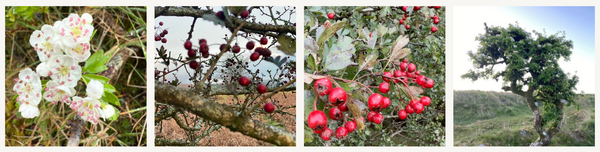
Hawthorn (Crataegus monogyna) Identification A small tree with thorns, white flowers, and pink anthers. Annual fruit, haws, are red berries. Flowers share a smelly chemical, trimethylamine, with that of decaying flesh. Botany Hawthorns will grow hundreds of years but, seeds take two winters to germinate. Leaves are edible. Part of the plant to
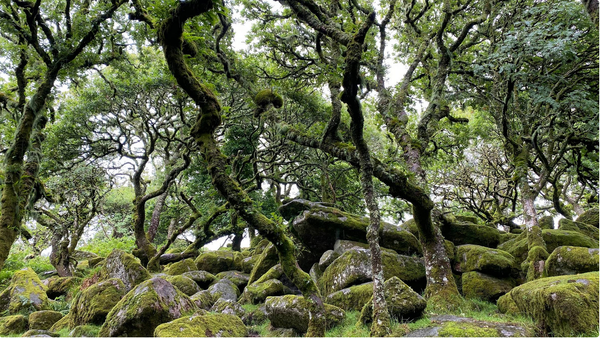
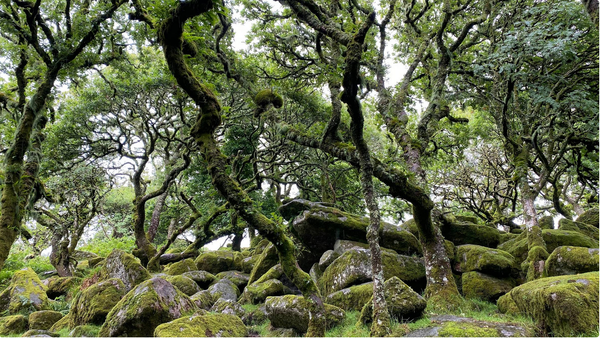
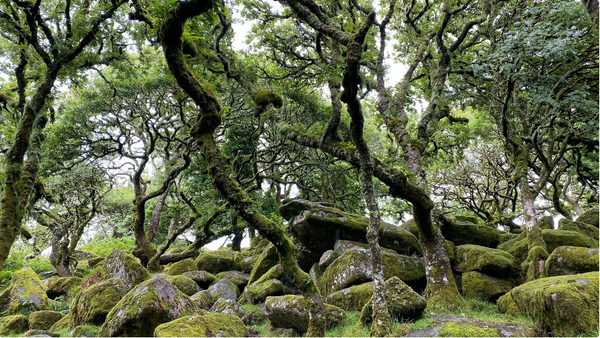
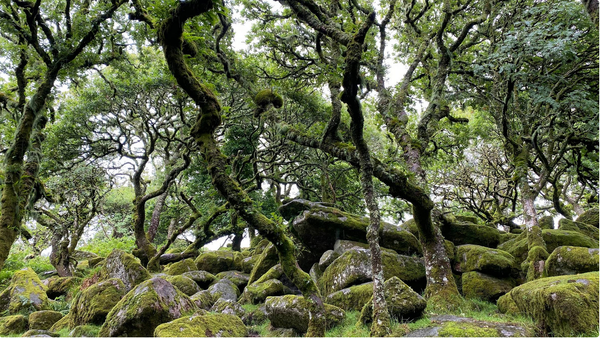
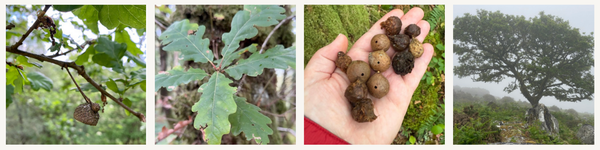
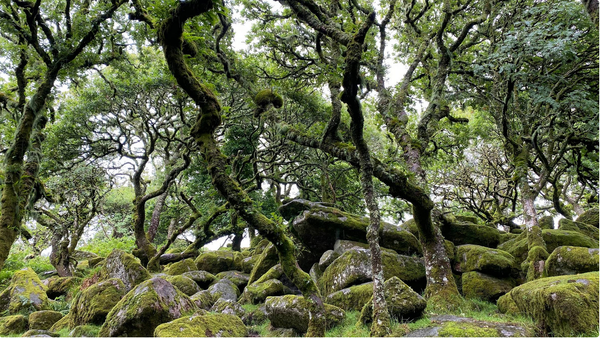
Oak (Quercus) Identification Large tree with distinctive lobed leaves. Also, commonly appears in hedgerows. Acorns caps may have long (Q. robur) or short stem (Q. petraea). Botany The fruit, acorns, appear in mast years, occurring every 3-10 years. Oaks will grow for more than a thousand years, and support hundreds of other
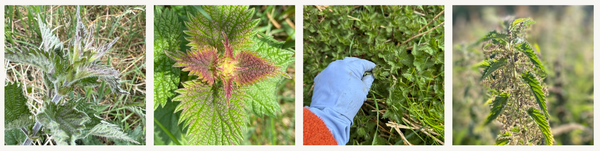
Stinging nettle (Urtica dioica) Identification Based entirely on appearance, stinging nettles should be part of the mint family. Square stem, leaves in opposite pairs, sometimes-purple tinged. If you look closely at stinging nettles, you’ll also see they look a bit hairy. These hairs are tiny hypodermic needles filled with histamine, and formic acid.
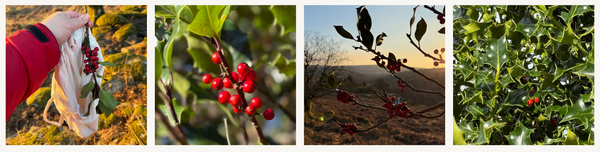
Holly (Ilex aquifolium) Caution: berries are toxic! Identification Short tree with waxy, irregularly shaped leaves. Leaves often have thorns. In winter, some trees have red or white berries. Garden cultivars may have yellow stripes on the leaves. Botany Spikes on the leaves are a response to predation. Leaves higher on the tree often
Rowan (Sorbus aucuparia) Identification Its smooth bark is grey-brown and its leaves are complex – or pinnate in scientific terms. The leaf itself comprises 11-19 toothed, oblong leaflets, paired but with a terminating leaflet. The leaflets have no stalk of their own. Rowan trees flower in May and have bright red berries come autumn.
Science-backed iron gall ink tips Based on the number of recipes out there, it seems like any ol' method will do when it comes to making iron gall ink; however, my first attempt was terrible. In reading the conservation research, these are the most important factors for getting black ink. * Hot water extraction works
Iron Gall Ink Resources My thanks to Ibby Lanfear for these up-to-date articles on iron gall ink. * Iron-gall inks: a review of their degradation mechanisms and conservation treatments * Non-destructive analyses of iron-polyphenolic complexes for reconstructing iron-gall inks historical recipes * Exploring the properties and degradation of iron gall inks and logwood ink and their mixtures
Iron Gall Ink Basic Recipe Iron gall ink is a black ink made from oak galls, iron salts, and gum Arabic. Iron gall ink has been in use for thousands of years. It is considered permanent, and has been used for legal documents until recently. Oak galls are wasp incubation pods found on oak trees.